
Community Grants Panel Volunteer Information
Home | Nonprofits | Grant Opportunities | Community Grants | Community Grants Panel Volunteer Information

Be a Thread of Impact
Community Grants are powered by generosity—but they are guided by community voices.
Volunteer panelists help review applications, share perspectives, and ensure grant funding reflects the needs and opportunities throughout the CSRA.
No grantmaking experience is required. Just a willingness to learn, engage, and help strengthen our region.
Since 1996, Community Grants have invested more than $12 million into local nonprofits. Volunteer panelists help make that impact possible.
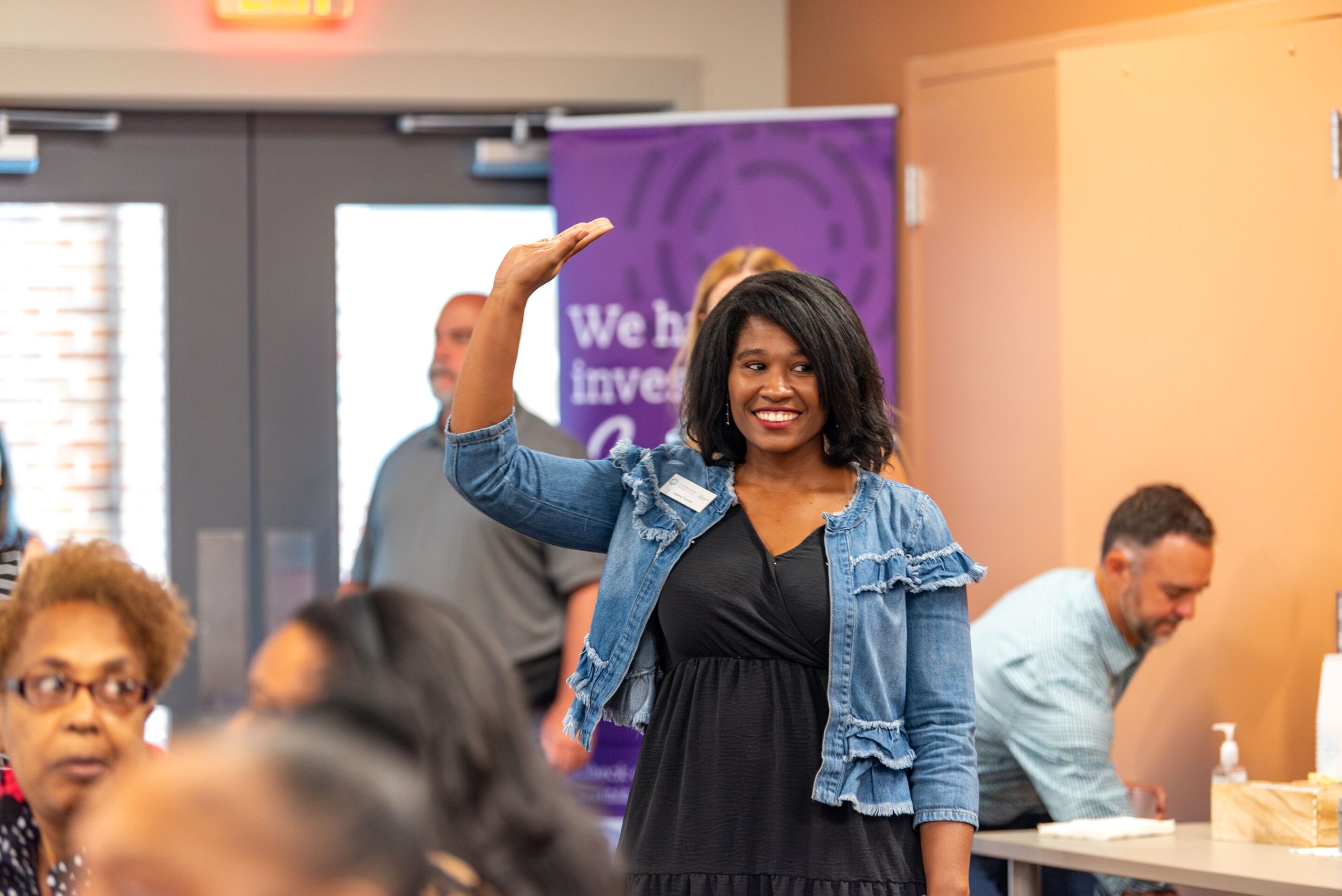
Joining a Community Grants Panel as a volunteer offers individuals a unique chance to play a crucial role in supporting nonprofit organizations that drive positive change. But what exactly does this entail? As a panel volunteer, you’ll engage in thoughtful discussions, evaluate grant applications, and collaborate with fellow panelists to recommend funding initiatives that truly make a difference. This commitment requires a thorough understanding of the process and a dedication to supporting worthy causes.
By understanding and preparing for this commitment, you can make a significant impact through your volunteer service as a panel member. Your insights and decisions will help direct valuable resources to nonprofit organizations that are making a difference in the community.
Thank you for considering this opportunity to give back to your community!
What are Community Grants?
The Community Grants Program is our flagship initiative aimed at supporting the missions of our local nonprofits. This program is open to 501(c)(3) organizations that deliver impactful programs and services directly benefiting residents of Aiken and Edgefield counties in South Carolina, as well as Burke, Columbia, Richmond, and McDuffie counties in Georgia.
Our four funding focus areas are:

Arts, Culture & Heritage
Programs that support communities by preserving and celebrating cultural, artistic, and historical heritage.
Basic Needs and Stability
Programs that support individuals and families in meeting essential needs and build stability through access to food, housing, transportation, financial support, and critical services.
Education & Workforce Readiness
Programs that support educational achievement, workforce development, and pathways to economic opportunity.
Health, Wellness & Resilience
Programs that support healthy communities by promoting well-being, environmental stewardship, safety, crisis response, and resilience.
Understanding the Role and Time Commitment as a Panel Member
With its growing reputation, the Community Grants Program has become highly competitive. The selection process is rigorous, relying on the expertise of dedicated community volunteer panelists. These volunteers play a crucial role in evaluating grant applications through detailed reviews and site visits, ultimately determining which programs and services receive funding each year.
Volunteering as a panel member is a rewarding opportunity to contribute to the community and support nonprofit organizations. This role, however, comes with specific time commitments that are crucial for the successful execution of the panel’s responsibilities. Here’s a breakdown of the anticipated time commitments involved in this service opportunity:
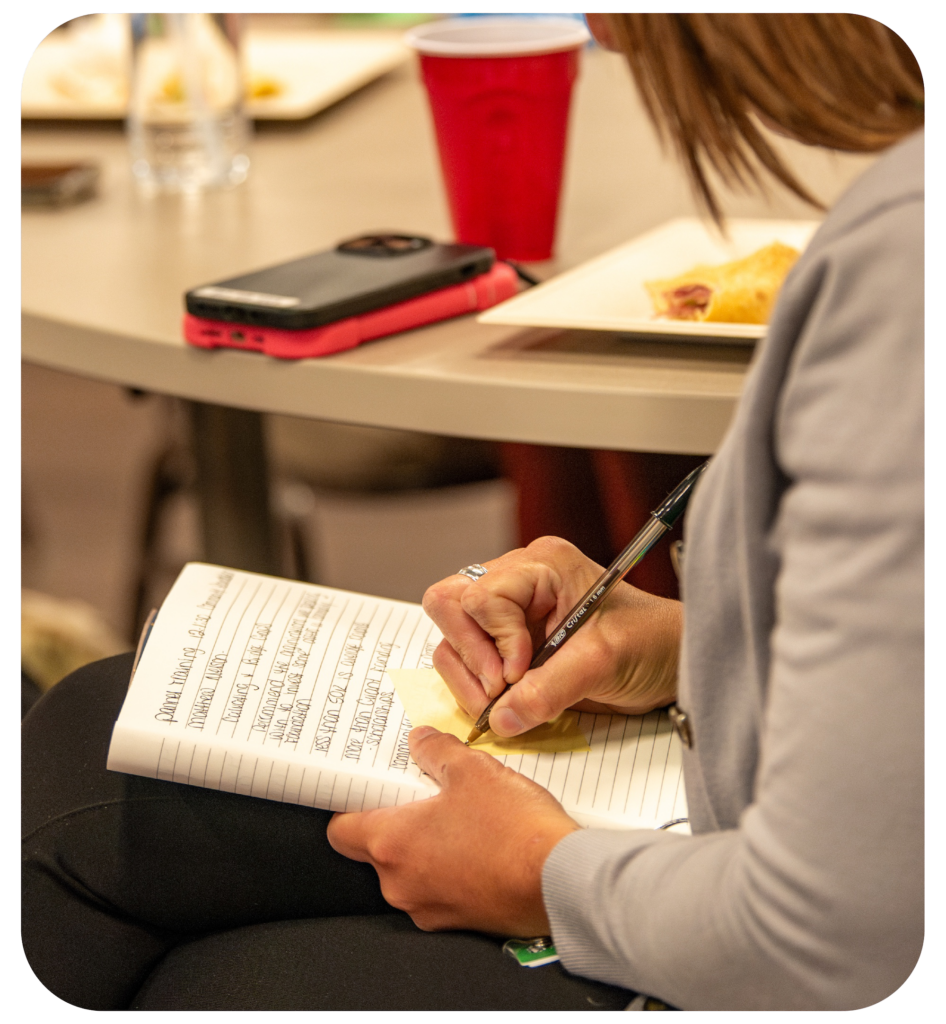
Orientation Sessions
Attendance Requirement: You are required to attend one of the three mandatory orientation sessions:
- Monday, September 21, 5:00–6:30 p.m.
- Tuesday, September 22, 9:30–11:00 a.m.
- Tuesday, September 22, 12:00–1:30 p.m.
These sessions are designed to equip you with the knowledge and skills needed to effectively serve as an evaluator in our Community Grants process.
Application Review
Reading and Scoring: As a panel member, you will need to read and score applications for approximately five nonprofit organizations. This task requires careful consideration and analysis to ensure fair and accurate evaluations.
Site Visits
Visiting Organizations: Each panel will conduct site visits for up to five nonprofit organizations. These visits provide a firsthand view of the organizations’ operations and help in assessing their needs and impact.
Timing: All site visits are scheduled to take place during the month of October, so it’s crucial to have availability during this period. Each site visit will last one hour, at minimum, not including travel time to and from.
Post-Site Visit Scoring
Evaluation: After each site visit, you will be expected to score the organizations based on your observations and findings. This helps in forming a comprehensive view of each organization’s potential and effectiveness.
Panel Follow-Up
Final Discussions: Participation in a follow-up meeting with your panel is essential. During this meeting, you will discuss and finalize grant recommendations, ensuring that the most deserving organizations receive support.
Deadline: All final decisions and recommendations must be submitted to the Foundation staff by October 31.
By understanding and preparing for these commitments, you can make a significant impact through your volunteer service as a panel member. Your contributions will help direct valuable resources to nonprofit organizations that are making a difference in the community.
Understanding the Role and Time Commitment as a Panel Chair
As a Panel Chair, you play a pivotal role in guiding the panel’s activities and ensuring its success. In addition to the responsibilities outlined above, here are your key responsibilities, each vital to the panel’s effectiveness and impact.
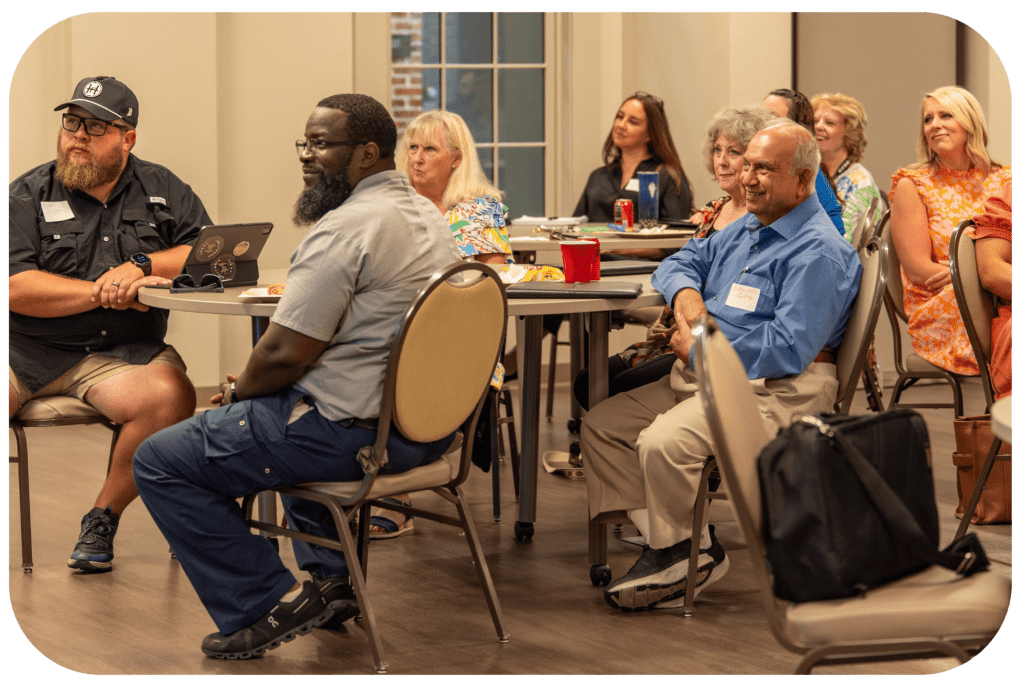
Building a Diverse Panel
Recruitment: Your first task is to assemble a team of four to eight individuals, including yourself, to serve on your panel. It is essential to invite people from diverse backgrounds and experiences. This diversity will enrich the panel with a spectrum of perspectives, ensuring a well-rounded and inclusive decision-making process.
Planning and Coordination
Site Visits: Establish contact with the assigned organizations and arrange for site visits. These visits are vital as they provide firsthand insight into the organizations’ operations, challenges, and impact, enabling more informed discussions and decisions.
Panel Meetings: Organize and lead the final panel meeting. During this meeting, facilitate discussions to deliberate on funding decisions. It is important to ensure that all panel members have a voice and that the discussion remains thorough, respectful, and inclusive.
Administrative Duties
Grant Portal Management: Once decisions are made, accurately enter the final results into the Foundation’s Grants Portal. This step is crucial for maintaining transparency and ensuring that the outcomes are officially recorded.
By fulfilling these responsibilities, you help ensure that the panel’s work is effective, fair, and aligned with the Foundation’s mission. Your leadership is key to making informed and equitable funding decisions.
Next Steps for Panel Volunteers
If you have been invited to serve on a Community Grants panel, please use the registration link emailed to you by your Panel Chair to confirm your participation and select a required training session.
Once registration is complete, the Community Foundation will follow up with additional information as we finalize panel assignments and prepare for training.
Panel Member FAQs
Grants Portal access will become available immediately following panel training
Easy – just click below. Use the email address you provided during registration. If you are a new panelist, click on “Forgot your password?” to establish your password. Please contact Erin Cooper for assistance.
- Friday, September 25 – CFCSRA notifies nonprofits of their panel chair
- Monday, September 28 – Friday, October 2 – Panel Chairs schedule site visits
- Thursday, October 1 – Friday, October 30 – Panels conduct site visits
- Saturday, October 31 – All evaluations due to CFCSRA by noon (earlier is encouraged)
- Mid-January – Announcement of awardees – exact details TBD
Long supported by the generosity of the Masters Tournament – as well as other organizations and individuals throughout our region – the Community Grants program provides dependable funding for necessary and outstanding philanthropic work by local non-profits. These grants are distributed through a competitive process designed to help nonprofit organizations meet their mission.
Through a careful review process, our staff, community volunteer panels, and board work together to award grants based on identified community issues and the relative merit of the proposals received. This program provides funding for nonprofit projects and programs serving residents in Richmond, Columbia, McDuffie and Burke counties in Georgia and Aiken and Edgefield counties in South Carolina.
Since the program’s inception, more than $10 million in grants have been awarded to countless nonprofits throughout our community.
Although a grant proposal can certainly tell part of the program’s story, we believe the whole picture can’t be seen without a site visit. That’s why the role of the community volunteer panels is so important to the success of the Community Grants Program. The panels conduct site visits to approximately five organizations each to rate them relative to each other and determine who will receive funding.
Each panel has a Chair who serves as the leader of the group and schedules the site visits with the nonprofits, helps to facilitate discussions, monitors the selection process, and ensures required paperwork is completed. Below are the specific responsibilities of the Panel Chair.
Panel Chair Job Description
- Recruit four to seven community members to serve on a volunteer panel. Ideally, panel members should commit to attend the panel training, all site visits, and the final meeting when organizations are ranked for funding purposes. If you need help recruiting members, check with the Foundation staff. At times we have a list of individuals who would like to serve but have no panel
- Makes sure panel members complete their information forms. Once submitted, the Foundation is able to register panel members in our computer system so they can review their applicants. It will also help to ensure panels are not assigned to organizations where there could potentially be a conflict of interest
- Attend Panel Volunteer training. This is a 1 ½ hour training held in September
- Thoroughly read all applications prior to scheduled site visits
- Contact the assigned organizations and arrange site visits. Site visits are completed during October and are typically one hour each. An absolute minimum of three people MUST be at each site visit, although we prefer all members attend.
- The chair will attend all site visits so at least one member of the committee has information for all organizations to be ranked
- Following site visits, convene entire panel to discuss the merits of each organization and recommend programs for funding based on rankings. If questions arise, be willing to call the program for clarification
- Complete site visits in the allotted time, ensure the panel ranking forms are completed in full by October 31st at midnight
- Are welcome, but not required to attend the press conference where grantees are recognized
The Panel Chair should expect to volunteer 10 – 15 hours of work throughout the process.
Site visits are opportunities for a non-profit organization to have a chance to tell their story outside of what they submitted in their application. Here is how you can prepare:
- Ensure you have a minimum of three (3) panel members at each visit. Preference is to have as many panel members as possible.
- Make sure you read the application thoroughly before the visit.
- Prepare questions in advance and don’t hesitate to ask questions even if they are not part of the application.
- Try to be as consistent as you can with the questions asked of each reviewed organization.
Feel free to download our Site Visit Questions to use during the site visits.
We have communicated with our non-profits and provided guidelines on how they can best prepare for your visit. If you would like to review that document, please do.
What Makes a Good Outcome?
A good outcome will always pass the ”So What” test. We hope all programs do good work but if we want to show the impact a program has on a person, group of people or a community we must be able to measure if it is changing anything. We always want more people to have food more homeless people to have a place to sleep, more children educated. That goes without saying. What we need to know is what difference they want to make by doing what they are doing. This is done by answering the “so what” question.
- Can it be measured
- There should be a % of change you anticipate seeing
- Does it appear they have outcomes that match the program they have asked be funded
- Does the outcome seem realistic for the project
- Does the organization have the capacity to get the information needed to measure the outcome(s) they have written
- A higher percent doesn’t always signify that is the best program to fund. 100% may be justified but it is rarely achieved
- In some cases, it is hard to measure a new program so a nonprofit may use what is called a proxy measure to determine if their outcome is sound. The proxy measure typically comes from a national source that has done this type of programming and has a proven success model
- It is not just a count of people served, that is an output as it doesn’t answer the so what question.
- Art’s organizations have an incredibly hard time creating measurable outcomes since art is subjective and the influence of the art can’t often be measured through surveys and changes over time to an individual. You will often find proxy measures used here as individuals look at the benefits of having the arts as part of a healthy vibrant community
Samples of good outcomes with a measure from past grant applicants:
- Patients with hearing or vision problems will be referred to audiologists or optometrists for treatment. Measurement: Those students with issues will be re-checked in February and if corrections were made, more than 50% of those students will show improved classwork since they can now see or hear better.
- 60% of students will agree or strongly agree that having access to the food pantry allows them to feel more prepared to learn in school. Question on survey: Does the food that you receive from the school pantry make you more likely to feel prepared to come to school and learn?
- Following each Kidz Bop and Young People’s Concert, at least 90% of teachers will report that they feel the performance was a valuable enrichment experience for their students; provided their students with a greater understanding of the musical concepts taught; and increased the students’ interest in music in general. Results will be assessed via a questionnaire.
- 95% of the graduates from Fall 2020 will still be employed 6 months later (Nov 30). The Coordinator will contact the employers during the month of December to get feedback on each employee. The Coordinator will record this information on the Graduate Tracking Sheet.
- 50% (at least 10-15) of Residents who qualify for USDA 502 Direct Loan and/or NACA Homeownership Program will successfully complete all necessary documentation required. Measure – The Residents will close on a home mortgage.
- Half (50%) of the sheriff’s offices that we approach will participate in the new law enforcement training program by making this available and required for their staff. •Measure 1: We will measure this outcome by working with the sheriff’s in each county to find out if this is being implemented once we ‘go live’.
Contact a Team Member
For more information about the Community Grants Program, or to get involved as a volunteer, please contact us.
Questions?
We welcome your questions and comments. Please contact Lasima Turmon, Director of Programs, here or 706-724-1314.

Here to Help!
If you have any questions, please contact Erin Cooper, Senior Program Officer, here or 706-724-1314.
Stay Informed
If you are a nonprofit, sign up for our e-newsletter and receive notifications of grant opportunities, upcoming trainings, and other nonprofit gatherings.